


Your car's engine may look like a collection of pistons, bearings, camshafts, gears, and other precision-machined components, but all of these parts depend on one critical system: engine lubrication. When the engine does not receive enough oil, or when oil cannot reach the components that need it, the result is known as oil starvation.
Car oil starvation is one of the most serious lubrication problems an engine can experience. It can begin with something as simple as a low oil level or a blocked oil pickup and, in severe cases, progress to bearing failure, overheating, seized components, or complete engine failure. The dangerous part? An engine can suffer significant damage from oil starvation before the driver notices obvious symptoms. Understanding what causes oil starvation, recognizing the warning signs, and maintaining the lubrication system properly can save you from a costly repair.
What Is Car Oil Starvation?
Car oil starvation occurs when an engine's moving components do not receive an adequate supply of lubricating oil. An engine oil pump normally draws oil from the oil pan through a pickup tube. The pump then pressurizes the oil and sends it through passages inside the engine to lubricate critical components. These include:
-
Main crankshaft bearings
-
Connecting-rod bearings
-
Camshaft bearings
-
Camshafts
-
Valve-train components
-
Timing-chain components
-
Turbocharger bearings, where applicable
-
Piston and cylinder surfaces
Oil performs several important functions beyond lubrication. It also helps remove heat, reduce friction, carry contaminants toward the oil filter, and protect metal surfaces from wear and corrosion. If the oil supply becomes insufficient, the protective oil film between moving surfaces can break down. Metal can then begin to contact other metal surfaces. That is when relatively minor lubrication problems can turn into catastrophic mechanical damage.

Photo by LightFieldStudios on Envato
How Does an Engine Lubrication System Work?
To understand oil starvation, it is helpful to understand the basic oil circulation process. When the engine starts, the oil pump draws oil from the oil pan through the pickup. The pressurized oil travels through internal galleries and reaches components that require lubrication. A simplified process looks like this:
-
Oil Pan → Pickup Tube → Oil Pump → Oil Filter → Oil Galleries → Engine Components → Oil Pan
The system continuously circulates oil while the engine is running. The engine's oil pressure depends on several factors, including:
-
Oil level
-
Oil viscosity
-
Oil pump condition
-
Bearing clearances
-
Pickup tube condition
-
Oil filter condition
-
Engine temperature
-
Engine speed
-
Internal oil passages
A problem anywhere in this system can reduce effective lubrication.

What Causes Car Oil Starvation?
Oil starvation can have several causes. Some are related to maintenance, while others result from mechanical problems or extreme driving conditions.
Low Engine Oil Level
One of the most common causes is simply not having enough engine oil. Oil can become low because of:
-
Oil leaks
-
Burning oil
-
Neglected oil changes
-
Incorrect oil filling
-
Damaged seals or gaskets
-
Excessive oil consumption
When the oil level becomes dangerously low, the pickup may intermittently draw air instead of oil. Once air enters the lubrication system, oil pressure can drop dramatically. A vehicle can sometimes have enough oil to appear relatively normal on the dipstick but still experience oil starvation under certain driving conditions.
Hard Cornering
Performance driving can create a particularly dangerous situation. During aggressive cornering, braking, or acceleration, engine oil moves around in the oil pan due to inertia. If the oil pickup becomes uncovered, the oil pump can temporarily draw air. This condition is often called oil sloshing or oil aeration. It is particularly relevant to:
-
Track cars
-
Sports cars
-
High-performance vehicles
-
Modified vehicles
-
Vehicles used for autocross
-
Vehicles subjected to repeated hard cornering
A dry-sump lubrication system or a properly designed baffled oil pan can help reduce this risk.
Blocked Oil Pickup
The oil pump relies on a pickup tube and screen to obtain oil from the sump. Sludge, debris, gasket material, silicone sealant, or other contaminants can restrict the pickup. A partially blocked pickup can reduce oil flow. In severe cases, the engine may develop inadequate oil pressure even though the oil level itself appears normal.
Failed or Worn Oil Pump
The oil pump is responsible for circulating oil through the engine. If the pump becomes worn or fails, oil pressure and oil flow can fall. Potential causes include:
-
Internal pump wear
-
Damaged gears
-
Broken drive components
-
Excessive internal clearance
-
Pressure-relief valve problems
-
Electrical problems in some modern oil-pump systems
A faulty oil pump should never be ignored because inadequate lubrication can rapidly damage an engine.
Incorrect Engine Oil
Using the wrong oil viscosity can affect lubrication performance. For example, an oil that is significantly thinner or thicker than the manufacturer specifies may alter oil pressure and flow characteristics, particularly under extreme temperatures. Modern engines can be especially sensitive to the correct oil viscosity and specification. Always follow the manufacturer's oil specification rather than choosing an oil based solely on brand or viscosity.
Excessive Engine Oil Consumption
Some engines consume oil gradually between service intervals. Possible causes include:
-
Worn piston rings
-
Valve-stem seal problems
-
Turbocharger problems
-
Crankcase ventilation issues
-
External leaks
If oil consumption is ignored, the oil level can eventually fall far enough to cause lubrication problems. A vehicle that does not leave an obvious puddle may still be losing oil internally.
Oil Leaks
Oil can escape through numerous locations, including:
-
Oil pan gasket
-
Drain plug
-
Valve-cover gasket
-
Front crankshaft seal
-
Rear main seal
-
Oil filter housing
-
Oil cooler
-
Turbocharger oil lines
-
Camshaft seals
A small leak may seem harmless, but a severe leak can empty an engine surprisingly quickly.

Photo by JoPanwatD on Envato
What Are the Symptoms of Oil Starvation?
Recognizing the symptoms early can potentially prevent major engine damage.
Low Oil Pressure Warning Light
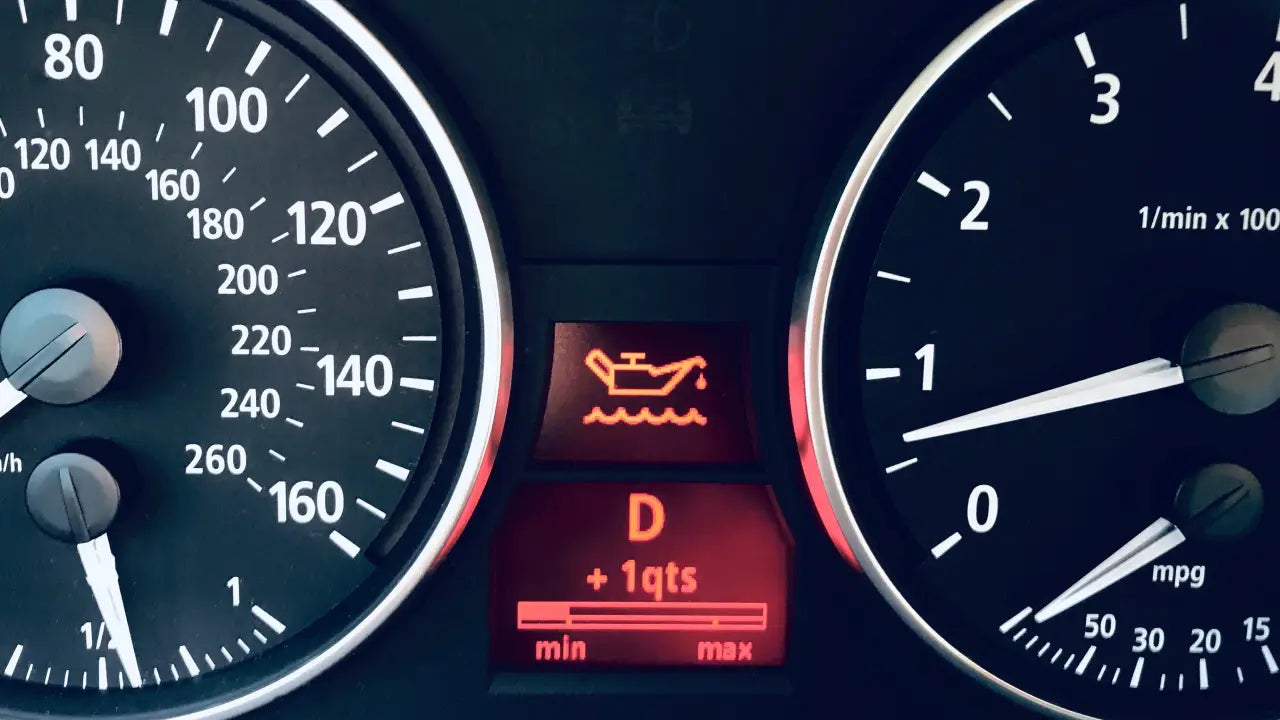
The oil pressure warning light is one of the most important warnings on the dashboard. If it illuminates while the engine is running, do not assume it is simply a routine maintenance reminder. A low oil pressure warning can indicate:
-
Low oil level
-
Oil pump failure
-
Blocked pickup
-
Excessive bearing clearance
-
Sensor problems
-
Other lubrication-system faults
If the warning remains illuminated, safely stop the engine as soon as possible. Continuing to drive can turn a repairable problem into a destroyed engine.
Ticking or Tapping Noises
Insufficient lubrication can cause valve-train components to become noisy. You may hear:
-
Ticking
-
Tapping
-
Rattling
-
Knocking
The location and character of the noise can provide useful diagnostic information, but noise alone cannot definitively identify oil starvation.
Engine Knocking
A deep knocking sound from the lower part of the engine is particularly concerning. Severe lubrication failure can damage connecting-rod bearings and crankshaft journals. A characteristic rod knock can develop when bearing surfaces become severely worn or damaged. If an engine suddenly develops a deep knocking noise accompanied by low oil pressure, continuing to drive is extremely risky.
Increased Engine Temperature
Engine oil helps transport heat away from internal components. When lubrication becomes inadequate, friction can increase, and certain components can become excessively hot. Oil starvation can therefore contribute to abnormal engine temperatures, although overheating has many other possible causes.
Burning Oil Smell
A burning oil smell does not necessarily mean oil starvation. It may indicate that oil is leaking onto hot engine components or exhaust components. However, if you notice a burning oil smell along with a falling oil level or a warning light, the situation warrants immediate attention.
Loss of Engine Performance
Severe friction, bearing damage, overheating, or other consequences of lubrication failure can affect engine performance. Possible symptoms include:
-
Rough running
-
Reduced power
-
Unusual vibration
-
Difficult starting
-
Engine misfires
-
Stalling
These symptoms are not unique to oil starvation, so proper diagnosis is essential.
How to Prevent Car Oil Starvation?
The good news is that many oil-starvation problems are preventable.
-
Check Your Oil Level Regularly: Do not wait for the dashboard warning light to indicate low oil. The oil-pressure warning system is not a substitute for routine oil-level checks. Follow the manufacturer's recommended procedure and check the level at appropriate intervals.
-
Use the Correct Oil: Always use an engine oil that meets the manufacturer's specified viscosity performance standard and approval specification. Modern engines can require very specific oil formulations.
-
Change the Oil and Filter on Schedule: Old oil can become contaminated and may lose some of its intended performance characteristics. Follow the manufacturer's maintenance schedule while considering severe-use conditions such as Frequent short trips, extreme temperatures, towing, heavy loads, high-performance driving, and track use.
-
Fix Oil Leaks Promptly: A small leak is not necessarily a small problem. Monitor the oil level and repair leaks before they become significant.
-
Monitor Oil Consumption: If you repeatedly need to add oil between service intervals, investigate why. Simply adding oil indefinitely may hide an underlying mechanical problem.
-
Avoid Aggressive Driving With Low Oil: Hard acceleration, braking, and cornering can move oil around inside the sump. If the oil level is already low, these forces can make the situation considerably worse.

